


Train Station 3: Rail Games 3D
4.31.44K Reviews
App Specs
- Version
- 2.3.3
- Updated On
- License
- Free
- Downloads
- 1,000,000+
- Developer
- PIXEL FEDERATION, s.r.o.
- Categories
- Strategy
- Platform
- Android
Screenshots
 Analysis by AppCompare
I judge a mobile strategy game less by its first busy evening than by whether it still fits into my routine after the opening excitement wears off. Train Station 3 makes a strong first impression with its trains, station-building, and approachable start, but its lasting appeal depends on how much you enjoy planning around resources and returning to ongoing tasks. I found it most rewarding when I treated it as a railway-management game to dip into, not a title that needed to occupy every spare minute.
A promising first week on the rails
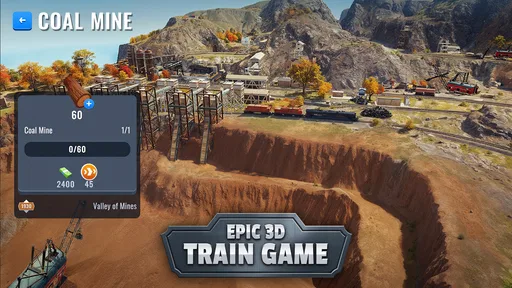
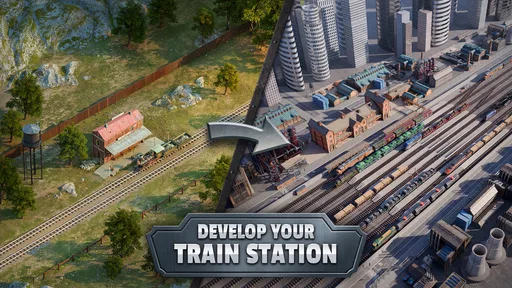
The early hours are easy to settle into: the tutorial introduces the basic loop, and a small station with a couple of trains gives you room to understand the job before the network feels complicated. Contracts provide clear short-term goals, while upgrading the station gives those goals a sense of direction. I liked that the game’s central idea is immediately legible: trains do work, the station develops, and better planning helps you make progress.
That clarity makes it a good fit for short sessions. I can imagine checking in during a commute or while waiting for an appointment, choosing a contract, and then leaving the game rather than needing a long uninterrupted stretch. The first-week appeal is less about mastering a difficult ruleset and more about seeing how the station’s pieces connect. For someone who enjoys trains but doesn’t want a dense simulation, that gentle entry is a real advantage.
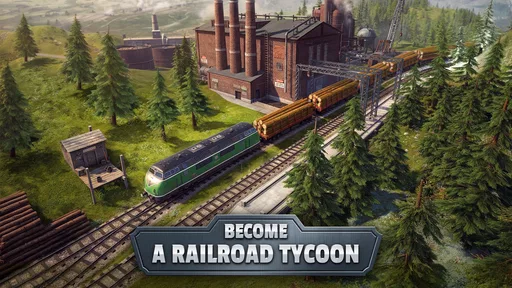
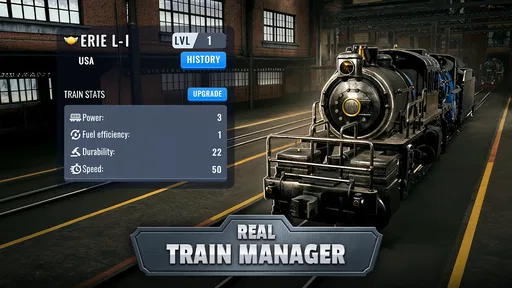
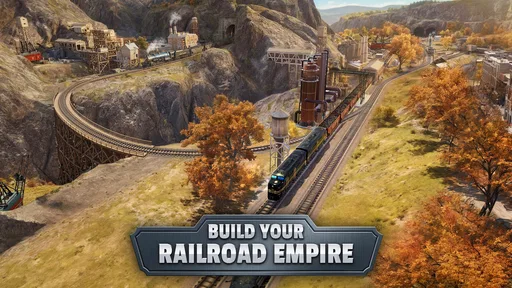
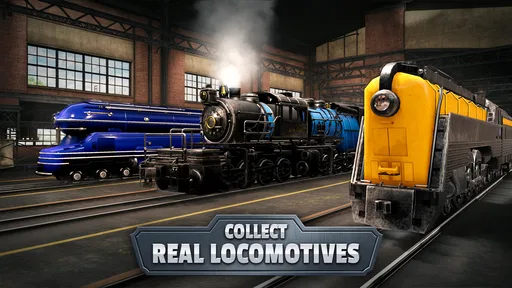
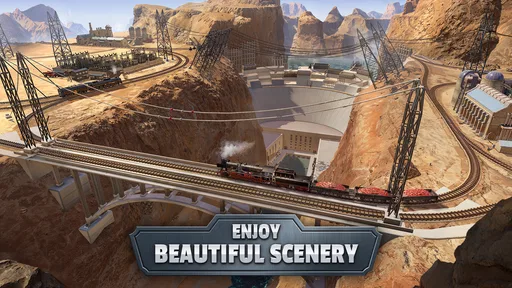
The visual side helps, too. Detailed engines and colorful landscapes make routine dispatches feel more inviting than a bare management screen. The range from steam locomotives to modern electric trains gives collection-minded players something to look forward to, although I’d approach the collection as a bonus rather than the sole reason to play. A train is most satisfying when it has a useful job in your plans, not simply because it looks good in the depot.
What keeps the routine worthwhile
After the novelty of opening new trains and improving the station, the question becomes whether contracts, daily tasks, and events give you reasons to return. They provide a steady rhythm and keep the game from feeling like a one-time building exercise. In my experience, the most satisfying sessions came from having a specific aim—finishing a contract or making a useful upgrade—rather than opening the game out of habit and tapping through everything without a plan.
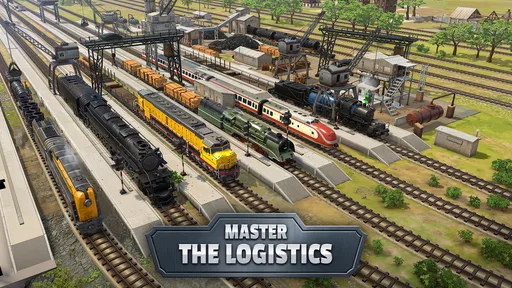
One practical tip is to look at a contract’s needs before committing a train. Since each engine has its own characteristics and resources matter, choosing whatever is available can be less effective than matching the train to the job. I’d also decide what I want from a session before spending time on routine tasks: a targeted upgrade or a contract completion gives the check-in a purpose. That small bit of planning makes the management feel more like strategy and less like chores.
Train Station 3 is a free strategy game from PIXEL FEDERATION, s.r.o., and it has a 4.2 average from around 15,000 ratings, with more than a million installs. Those figures suggest a sizeable audience, but the useful question for me is whether its particular routine suits you. If you like checking a growing railway, weighing assignments, and collecting engines along the way, there is a clear reason to come back. If you prefer strategy games where each session is a self-contained match with a decisive finish, the recurring station-management loop may feel less satisfying.
Worth Reading Before You Choose

EA SPORTS FC Mobile 26 Is a Bigger Football Game, but It Takes Time

Flipboard Shows What News Apps Must Do Beyond the Feed

Switching to Android Auto Means Rethinking Your Driving Routine

Google Calendar Makes a Crowded Week Easier to Manage

Ludo King Makes the Most of the Minutes Between Plans

Baby Panda World Brings Quick Play to Modern Phones, but Its Game Library Feels Busy
The upkeep, costs, and points of friction
A routine built around daily tasks and events can be pleasant, but it also creates a maintenance burden: the game asks for regular attention if you want to keep pace with its ongoing activities. I wouldn’t recommend turning that into an obligation. A useful approach is to check in when you have a goal, then leave the game alone when you don’t. That keeps the railway from becoming another notification-driven task in a busy day.
There are in-app purchases, ranging from $0.49 to $199.99 per item, so the free entry point is not the whole spending picture. I’d decide before playing whether I’m comfortable with optional purchases and keep a firm personal limit, particularly if collecting trains makes it tempting to chase every addition. You can enjoy the core management idea without treating every available purchase as necessary; for me, the better test is whether the ordinary contract-and-upgrade loop is enjoyable on its own.
Another possible source of fatigue is repetition. Contracts and resource decisions give the routine structure, but the same broad cycle can lose its spark if you want a fresh puzzle every time you open a game. The daily tasks and events help vary the reasons to return, yet they may not change what you fundamentally do. I’d skip it if I know I dislike recurring objectives, waiting between management decisions, or games that reward steady check-ins more than a single concentrated play session.
Who is likely to keep playing?
This is a better match for someone who enjoys planning in small steps than for someone looking for a deep, hands-on railway simulator. Compared with a typical competitive strategy game, its appeal is less about outmaneuvering an opponent and more about arranging trains, resources, station improvements, and contracts into a useful routine. Compared with a pure train-collecting game, it asks you to think about what an engine can do, not only how it looks. That middle ground is appealing, though players who want detailed real-world rail operations may prefer a dedicated simulation instead.
A realistic way to use it is to open the game during a lunch break, check which contract fits the trains currently available, and choose one meaningful station improvement to work toward. If you have time later, you can return to see how the plan is going; if not, the session still had a clear purpose. I find that approach more sustainable than trying to clear every task whenever it appears. It also makes the game easier to fit around work, study, or family commitments.
It is rated for Everyone, which makes the theme approachable for a broad audience, though the presence of optional purchases is still worth discussing with younger players. The current version is 1.15.0, and it requires Android 10 or later on Android devices. The game is free to start, but I’d still check that the device and operating-system requirements suit you before planning to make it a regular part of your routine.
Getting on Track
First things first, let’s talk about the setup. Train Station 3 is available on both Android and iOS, so whether you’re team Apple or Android, you’re covered. Installing it was a breeze, and before I knew it, I was welcomed into a vibrant world of locomotives and bustling train depots.
The game kicks off with a simple tutorial that gets you familiar with the basics. You’re given a small station and a couple of trains, and your mission is to build a thriving railway empire. The interface is user-friendly, with crisp graphics and smooth transitions. It didn’t take long for me to feel like a genuine railway mogul.
The Engine of the Game
What really keeps the wheels turning in Train Station 3 is its intricate gameplay mechanics. It’s not just about collecting trains (though that’s a huge part of the fun). You'll find yourself managing resources, upgrading your station, and completing contracts to earn rewards. Each train has its own characteristics, so choosing the right one for the job is essential.
As I progressed, I discovered that the game offers a wide variety of trains from different eras. From steam engines to modern electric trains, each one is beautifully detailed. The attention to detail in the train models is impressive, making it a treat for the eyes, especially on a high-resolution screen.
Challenges on the Rails
One of the things I appreciated about Train Station 3 is the balance between strategy and casual play. It’s challenging enough to keep you engaged, but not so difficult that you’ll feel like pulling your hair out. There are daily tasks and events that keep the game fresh, and I found myself logging in every day just to see what new surprises awaited me.
Resource management is crucial, and you’ll need to plan your routes carefully to maximize efficiency. Sometimes, it felt like a complex puzzle, and solving it gave me a sense of satisfaction. Plus, the game’s social aspect allows you to connect with other players, which adds a layer of community interaction.
Design and Aesthetics
The developers have done a fantastic job with the design. The landscapes are varied and colorful, making every journey an enjoyable visual experience. The sound design is also worth mentioning, with realistic train noises and an upbeat soundtrack that complements the gameplay. The overall aesthetic is charming and inviting, making it a pleasure to play for extended periods.
A lasting place in my routine?
In conclusion, Train Station 3 is a well-crafted game that offers a mix of strategy and fun. Whether you’re a train enthusiast or someone looking for a relaxed mobile game, it is worth trying if resource planning and incremental station growth sound appealing. Its long-term strength is the satisfying link between trains, contracts, and upgrades; its main risk is that recurring tasks can begin to feel like upkeep rather than play.
All in all, if you’re ready to embark on a railway-management adventure, Train Station 3 is waiting for you. I’d give it a place on my phone if I wanted an easy-to-enter strategy game for focused check-ins, while leaving it behind if daily routines and optional spending are likely to become pressure points. The best way to make the railway last is to play at your own pace, choose a clear goal for each visit, and let the next trip wait when it stops being fun.
Pros
- Intuitive interface for easy navigation.
- Stunning graphics enhance gameplay experience.
- Wide variety of trains to collect.
- Regular updates with new features.
- Engaging community events and challenges.
Cons
- Requires constant internet connection.
- Can be resource-intensive on older devices.
- In-app purchases can be pricey.
- Gameplay may feel repetitive over time.
- Limited offline features available.
FAQs for Train Station 3: Rail Games 3D
What is Train Station 3, and what can I expect from the game?
Train Station 3 is a railway simulation game where you can build and manage your own train empire. Players can collect various types of trains, complete contracts, and expand their stations. The game combines strategic planning with engaging visuals, offering a rich experience for train enthusiasts and casual gamers alike.
Is Train Station 3 free to play, or are there in-app purchases?
Train Station 3 is free to download and play. However, it includes in-app purchases that can enhance gameplay by providing additional resources, special trains, or station upgrades. While the game is enjoyable without spending money, these purchases can speed up progress and unlock exclusive content.
What are the system requirements for Train Station 3 on Android and iOS?
Train Station 3 requires Android 5.0 or later, and iOS 10.0 or later. The game is compatible with most modern smartphones and tablets. It's always a good idea to check the specific requirements on your device's app store to ensure compatibility and optimal performance.
Can I play Train Station 3 offline, or do I need an internet connection?
Train Station 3 requires an internet connection to play. This is necessary for accessing certain features like leaderboards, events, and syncing your progress across devices. While some elements of the game might work offline, a stable connection will ensure a complete and enjoyable experience.
How does Train Station 3 compare to previous versions of the game?
Train Station 3 builds on the success of its predecessors with improved graphics, new trains, and more intricate gameplay mechanics. Fans of earlier versions will appreciate the expanded features and refined user interface, while new players will find it accessible and engaging from the start.


